







Search Results for: Whole Bean Coffee
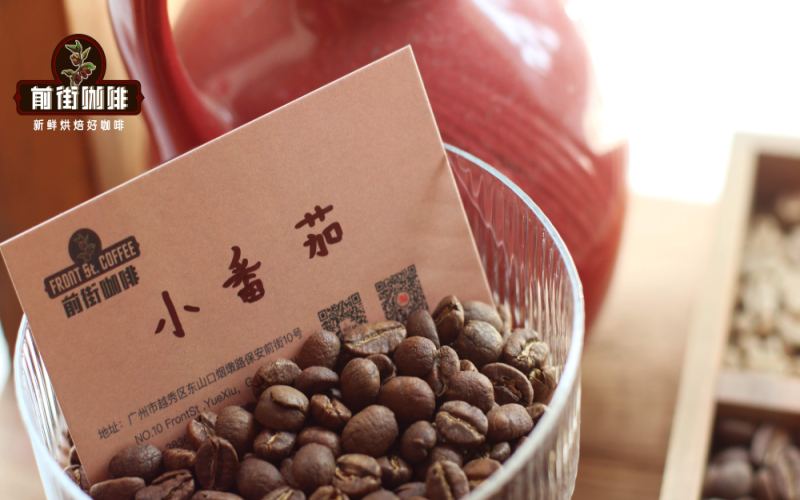
Six practical tips for choosing coffee beans: from brewing equipment and taste preferences to roast dates and whole-bean storage
Faced with a dazzling array of coffee beans, how can you pick the bag that is truly fresh and delicious? Starting from real-life purchasing scenarios, this article lays out six practical tips: first clarify which brewing equipment you use, then communicate with the staff based on your personal taste preferences, avoid being misled by stereotypes like "Colombian beans are definitely sour" or "Mandheling is definitely bitter," pay special attention to the roast date and resting time, buy whole coffee beans rather than pre-ground powder whenever possible, and finally purchase in small quantities multiple times according to your daily consumption. The article also draws on specific Front Street Coffee products to suggest bean choices for different scenarios such as espresso, pour-over, and cold brew, helping coffee lovers enjoy a cup of richly aromatic coffee in its freshest state. [more…]
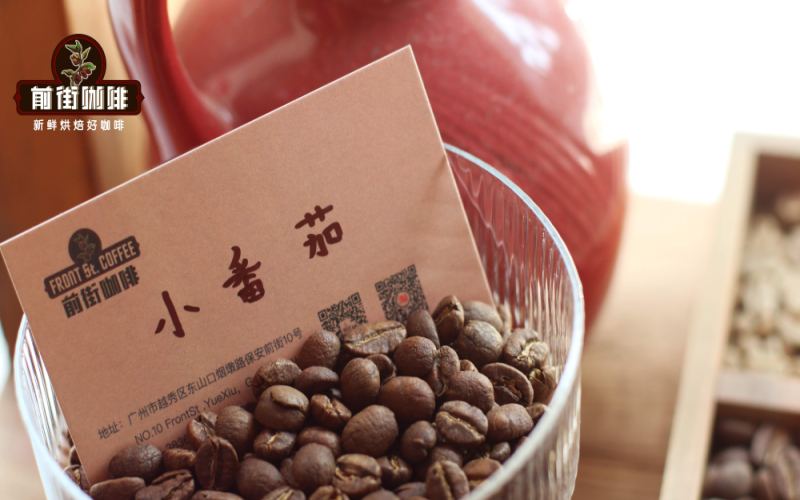
Coffee Bean Buying Guide | Whole Beans or Ground Coffee: Which Is Better? Which Coffee Beans Suit Pour-Over, French Press, Espresso Machines, and Clever Drippers?
Aroma is the soul of coffee beans, and freshness is the guarantee of their quality. Therefore, Front Street Coffee believes that to buy coffee rich in aroma, you need to choose freshly roasted coffee beans. Below are six tips and guidelines on buying coffee beans that Front Street Coffee has compiled for you, as a gift to those who love coffee. When buying roasted coffee beans, [more…]
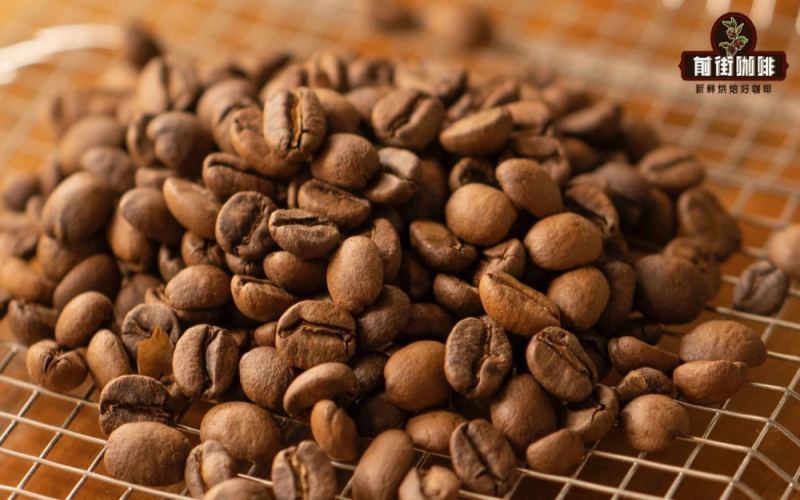
A Detailed Guide to the Freshness Differences Between Whole Coffee Beans and Ground Coffee, and How to Store Them
The flavor of coffee is closely tied to its freshness, and there is a significant difference in how long coffee beans and ground coffee stay fresh. Whole coffee beans, with their smaller surface area, generally maintain their freshness longer than ground coffee. This article will cover common questions about the storage life of coffee beans versus ground coffee, how to choose storage containers, and whether refrigeration or freezing is suitable, while sharing practical storage tips from Front Street Coffee to help coffee lovers preserve the aroma and taste of their coffee as much as possible from purchase to brewing. [more…]

Why should latte art milk be kept below 70°C? An analysis of why whole refrigerated milk is more suitable for making lattes
To create beautiful and long-lasting latte art patterns, the choice and handling of milk actually matter a great deal. Whole milk, because of its higher fat and protein content, makes the milk foam more stable and fine; keeping the steaming temperature below 70°C avoids the negative effects of lactose caramelization and protein denaturation; refrigerated storage extends the frothing time, making the foam denser and creamier. Drawing on years of experience, Front Street Coffee recommends using freshly roasted medium-dark roast espresso blend beans as the base, and shares two products suitable for beginners: the Front Street Dark Cocoa Blend and the Front Street Strawberry Candy Espresso. This article will explore these three dimensions, explaining why latte art has these requirements for milk, to help you create your ideal patterns at home. [more…]

How to Steam Milk Foam for Latte Art That Lasts Longer? A Full Guide to Choosing the Right Milk Brand and Steaming Techniques
Many people find that their milk foam never turns out well when learning latte art. In fact, the quality of the milk and the way it is steamed both directly affect the fineness and staying power of the foam. This article starts with the types of milk, analyzing the differences between shelf-stable milk and chilled milk, and between whole milk and skim milk. It then uses Front Street Coffee's recommended Vitasoy whole milk fresh milk to explain in detail the temperature control, technique, and the ratio of milk to foam when steaming milk with a steam wand. It also shares methods such as tapping out bubbles and controlling the heating temperature to make the foam more stable and long-lasting, helping coffee lovers achieve better results when pouring latte art and making lattes and cappuccinos. [more…]
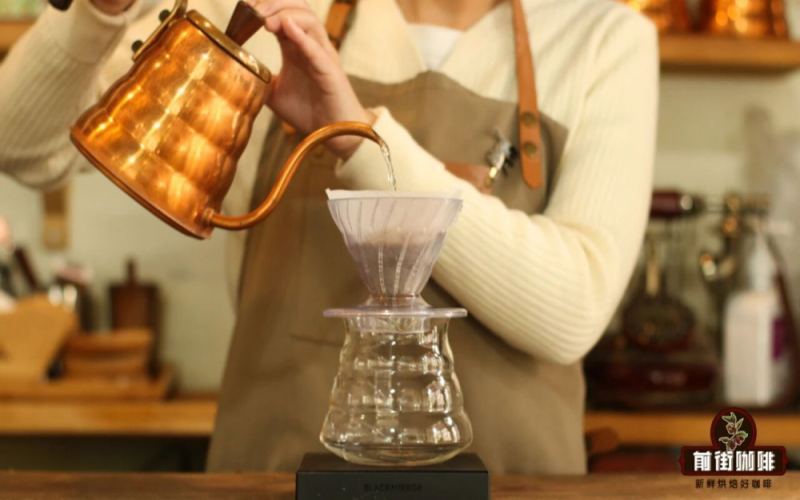
Is it better to choose coffee beans or ground coffee? Six practical tips to help you make a wise choice
Faced with a dazzling array of coffee products, should you buy whole coffee beans or already ground coffee powder? This is a question that many coffee lovers often struggle with when making a purchase. The aroma of coffee is closely tied to freshness, and the right purchasing and storage methods directly affect the final flavor in the cup. This article will analyze the pros and cons of coffee beans versus coffee powder, and provide six practical purchasing suggestions, covering key aspects such as matching brewing equipment, communicating taste preferences, identifying the roast date, the advantages of storing whole beans, and buying on demand. The article also offers specific Front Street Coffee product recommendations for different brewing methods and flavor preferences, helping you avoid detours in your daily shopping and easily enjoy a fresh and rich coffee experience. [more…]

A whole tissue paper found in a Chayan Yuese drink—netizens ask: staged stunt or malicious smear?
Recently, news about a whole tissue being found in a Sexy Tea milk tea has sparked heated discussion online. Some netizens suspect this is a self-staged publicity stunt by the brand to divert attention, while others believe it could be malicious smearing by a competitor. As of now, Sexy Tea has not made any official response to the matter. What is the truth behind the incident? Netizens have reacted relatively rationally, with various opinions clashing. This article will sort out the sequence of events, present multiple viewpoints, and follow up on subsequent developments. [more…]
Analysis of Water Volume for 15g Pour-Over Coffee: Front Street Coffee Nicaragua High-Grown Extremely Hard Bean Full Berry Process Caturra Flavor and Brewing Guide
How much water should 15 grams of coffee grounds be paired with for pour-over coffee? This article uses Front Street Coffee's Nicaragua high-grown extremely hard bean full berry process Caturra as an example to provide a three-stage pouring plan with 225 grams of water. Although Nicaragua has long been overlooked by Taiwan's coffee scene, its growing conditions are no less favorable than those of other Central American countries. Its coffee is known for being clean and balanced, with light roasts being clean and bright, and dark roasts being sweet and full-bodied. Jinotega, Matagalpa, and Segovia are high-quality producing regions. This Caturra is full of fruit aroma and rich fruit acidity throughout, combining Central American elegance with African boldness. The article also includes complete information on variety, producing region, altitude, processing method, and brewing parameters. [more…]
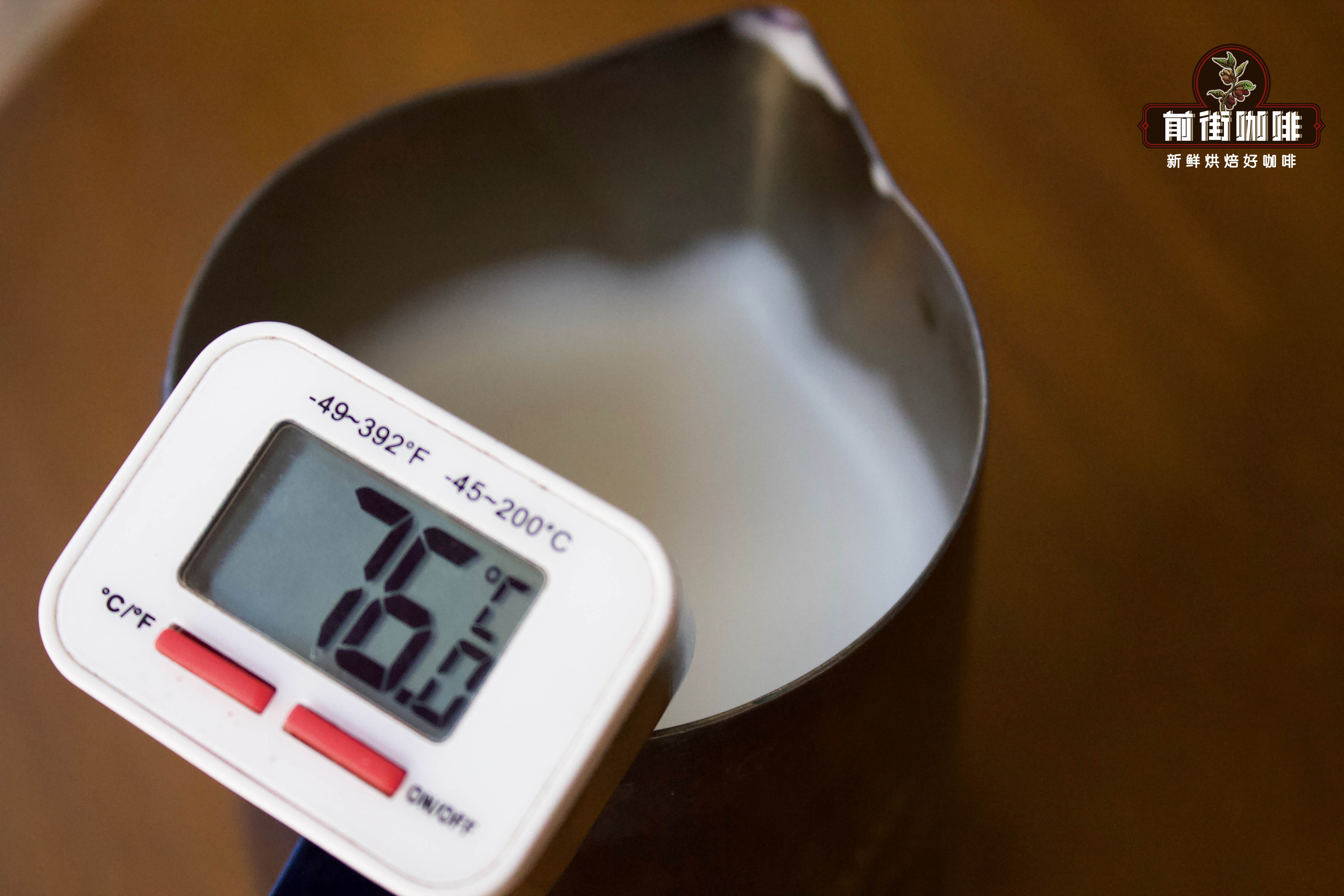
Which type of milk produces more long-lasting foam? A full guide to the milk-frothing process, techniques, and practical key points for beginners
When beginners practice latte art, milk foam is often difficult to froth or dissipates quickly. In fact, the choice of milk and the frothing technique both directly affect foam quality. Front Street Coffee, drawing on practical experience, has sorted out the differences between shelf-stable and chilled milk, and between whole and skim milk, and explains in detail the temperature control, operational details, and common issues of steaming milk foam. The article also analyzes how the ratio of milk to foam, personal skill, and standing time affect foam durability, helping coffee enthusiasts systematically master the key points for producing fine, dense milk foam. [more…]
The Scientific Origins of Coffee Sweetness: A Complete Analysis from Variety Breeding and Processing to Roasting and Brewing
Where does the sweetness in coffee come from? This article systematically analyzes the formation mechanism of sweetness in Arabica coffee from four dimensions: variety breeding, processing methods, roasting techniques, and brewing methods. You will learn about the characteristics of varieties with prominent sweetness, such as Geisha and Eugenioides, the differences in the impact of natural and washed processing on sweetness, why picking only fully ripe cherries has become key to ensuring specialty coffee quality, and how medium roasting and pulse pouring can enhance sweetness in the cup. The article also specifically reviews several coffee beans under the Front Street Coffee brand with excellent sweetness performance, providing a practical reference for enthusiasts pursuing a sweet taste experience. [more…]
How to Choose Milk for Coffee? A Guide from the Differences Between Fresh Milk and Pure Milk to Milk Pairings for Lattes, Flat Whites, and Dirty Coffee
Milk plays an irreplaceable role in coffee drinks—lattes, flat whites, cappuccinos, and Dirty coffees all depend on it. But faced with the dazzling array of dairy products on the market, which milk is actually suitable for pairing with coffee? What's the difference between fresh milk from different brands and shelf-stable pure milk when making coffee? Front Street Coffee combines milk characteristics with coffee bean styles to help you sort out your milk selection approach. From the advantages of whole fresh milk, to matching milk according to roast level, to the milk selection directions for iced and hot lattes, flat whites, and Dirty coffees respectively, this article explains each one by one, helping coffee enthusiasts find the right milk pairing when making different coffees. [more…]
A Complete Guide to Coffee Processing Methods: The Craft Differences and Flavor Comparison of Washed, Natural, and Honey Processing
Coffee bean processing is not simply washing, drying, or adding honey, but a set of refined procedures designed to remove the skin, pulp, and mucilage of the berry while preserving the quality of the coffee bean as much as possible so that it can be stored long term. Washed, natural, and honey processing, as the three mainstream methods, show significant differences in steps, green bean appearance, roasted bean characteristics, and final cupping flavor. This article will systematically sort out the specific operations of these three processing methods, teach you how to distinguish them by green bean color, roasted bean center line, and flavor performance, and include a selected bean list recommendation from Front Street brand to help you find the cup you like. [more…]
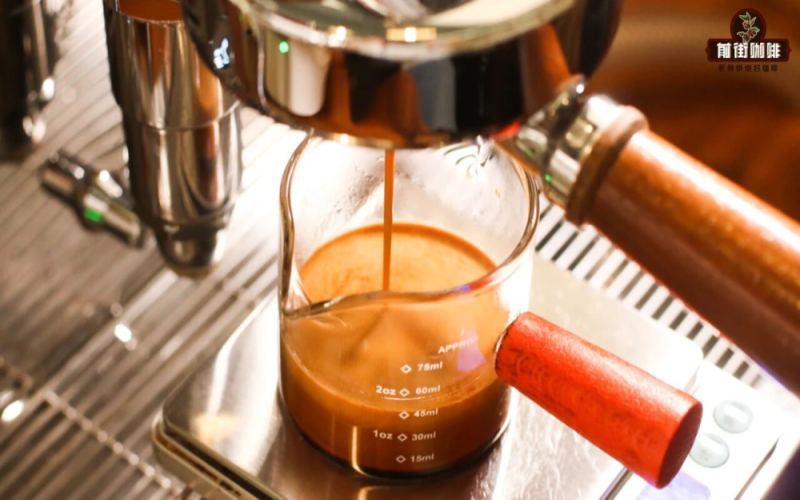
How to Choose Coffee Beans for Home Brewing? Understanding Freshness and Roast Level, Plus Everyday Espresso and Single-Origin Bean Recommendations
To consistently brew a good cup of coffee at home, choosing the right coffee beans is the first lesson you can't avoid. This article starts with freshness, explaining the difference in the optimal enjoyment period between whole beans and ground coffee—roasted beans last about a month, while ground coffee lasts only a week—and analyzes how roast level corresponds to flavor intensity. At the end, it compiles a practical list of everyday beans from Front Street Coffee, including two dark-roast espresso blends, Indonesian Mandheling, Ethiopian Huakui, and washed Yirgacheffe, covering both espresso and pour-over scenarios to help beginners quickly find the right beans based on taste and equipment. [more…]
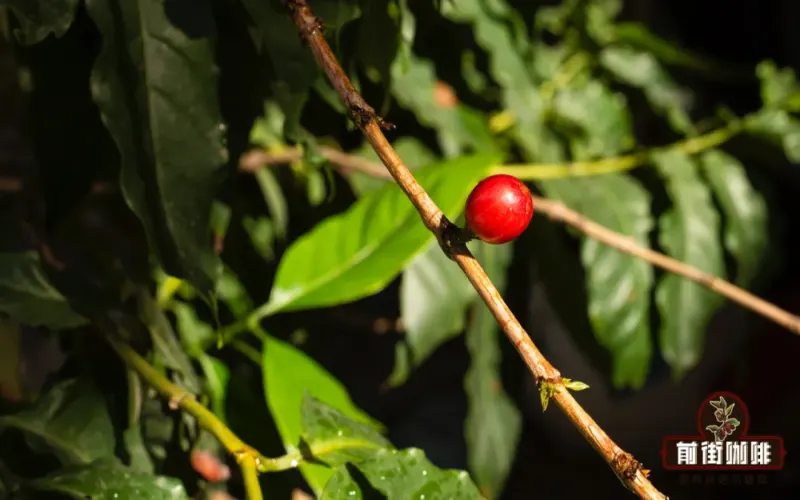
What Is Whole-Ripe-Cherry Picking? How the Red Cherry Project Drives Quality Improvement in Specialty Coffee
In coffee bean promotions, we often see phrases like "all-red cherry sun-dried," but all-red cherry is not actually the name of a processing method; rather, it refers to the practice of picking coffee cherries when they are fully red. So why is all-red cherry picking so important? What story of industrial transformation lies behind it? This article will analyze, from the perspective of Front Street, the impact of all-red cherry picking on coffee quality, review the evolution of harvesting methods in the early days of specialty coffee, and introduce the "Red Cherry Project" launched in 2007 by the Dutch green bean trader Trabocca, examining how it broke the vicious cycle between coffee farmers and green bean traders by raising the purchase price for high-quality coffee, ultimately achieving a win-win-win for farmers, merchants, and consumers. [more…]
A Comprehensive Guide to Milk Frothing Techniques for Espresso and Coffee Bean Variety Pairings
To make a dense, silky latte or cappuccino at home, the key lies in milk frothing and pairing it with espresso. Drawing on the hands-on experience of Front Street Coffee, this article systematically explains the selection and preservation of whole milk, the complete steps for steaming and stretching milk, and the parameter control during extraction. It also introduces the flavor differences and blend ratios of three espresso beans from Front Street—Sunflower Warm Sun, Dark Cocoa, and Specialty Blend—helping coffee lovers choose the espresso beans that suit their taste preferences and master a stable espresso extraction method. [more…]
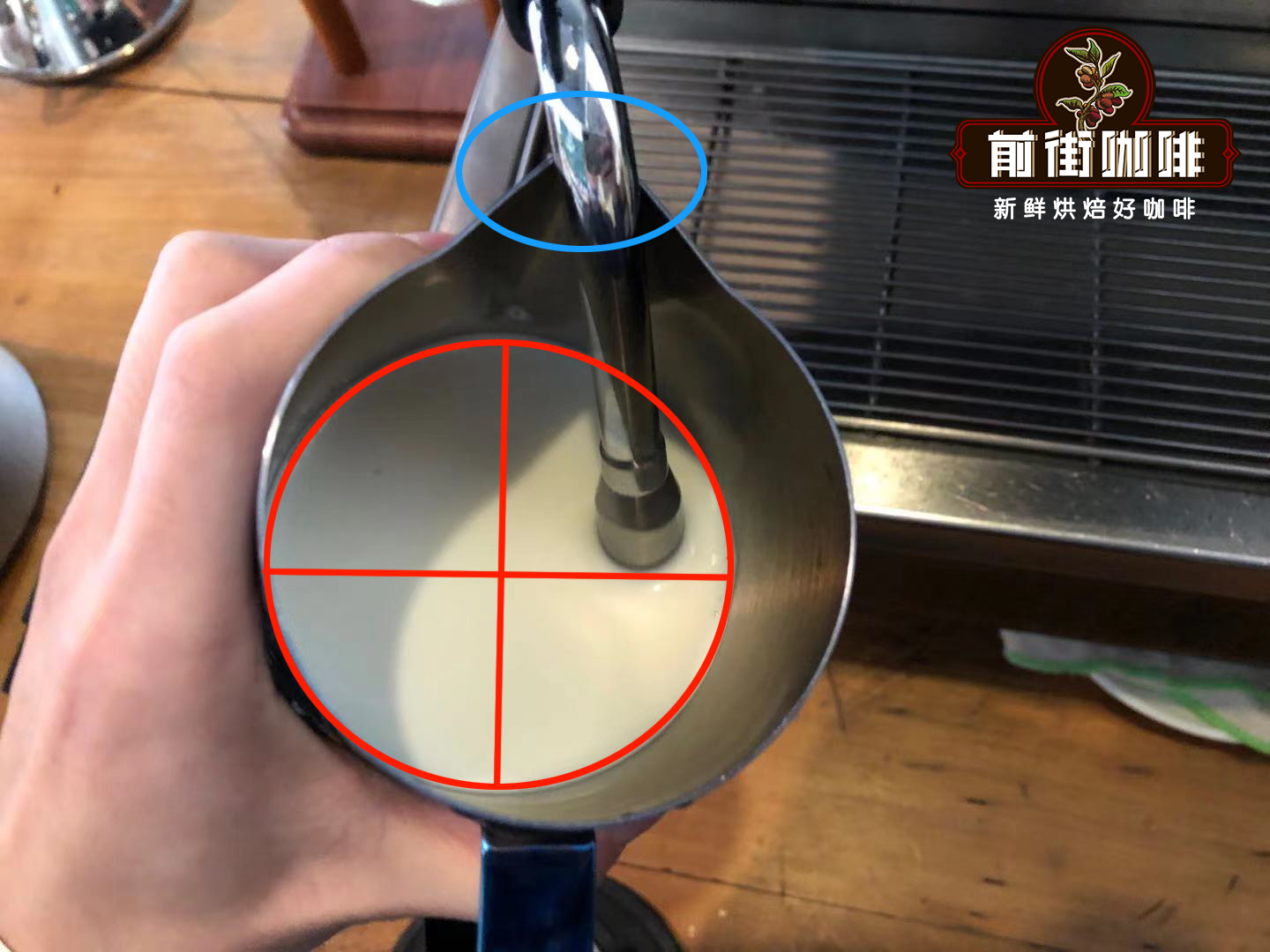
The Correct Way to Froth Milk | Which Type of Milk Keeps Coffee Foam Lasting Longer? What Techniques Must Beginners Master to Make Latte Art?
Many people struggle to froth milk properly when they first start learning latte art. In fact, the quality of the milk also affects how easy it is to froth. Front Street Coffee would like to introduce a few types of milk that are easy to froth! In the eyes of baristas, milk is divided into ambient milk and chilled milk, whole milk and skim milk. When making coffee la— [more…]
Home Coffee Bean Buying and Roasting Guide: Top Ten Brand Recommendations and Extraction Pairing Tips
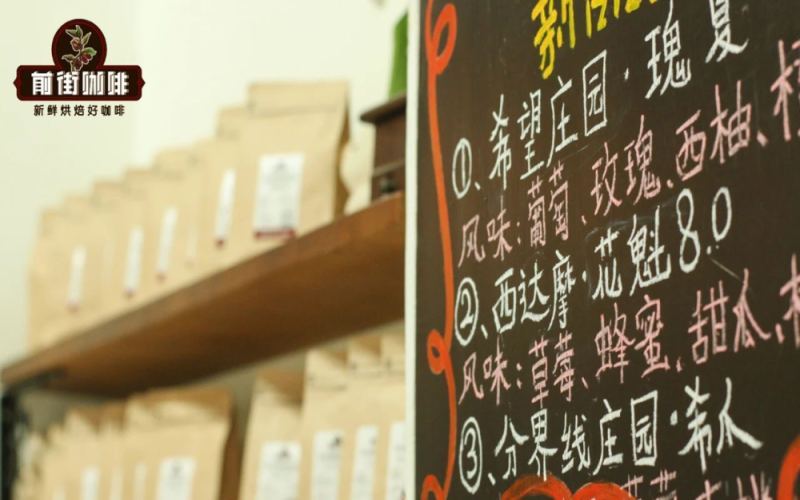
Faced with a dazzling array of coffee beans, how do you choose the one that suits you best? This article systematically sorts out the logic of buying coffee beans for home use from multiple dimensions such as brewing method, roast date, regional flavor, and packaging format. You will learn about the applicable scenarios for single-origin beans and espresso blends, the importance of fresh roasting, and recommendations for resting time, while also seeing a list of representative coffee beans organized according to different flavor preferences. Whether you are a pour-over enthusiast just starting out or an espresso player pursuing a rich taste, this guide can help you quickly lock in your ideal choice. The article also specifically recommends several products from Front Street Coffee and answers the common question of whether to buy whole beans or ground coffee. [more…]
Analyzing the Essential Differences Between Oat Milk and Dairy Milk: Foaming Challenges and Latte Art Techniques for Plant-Based Lattes
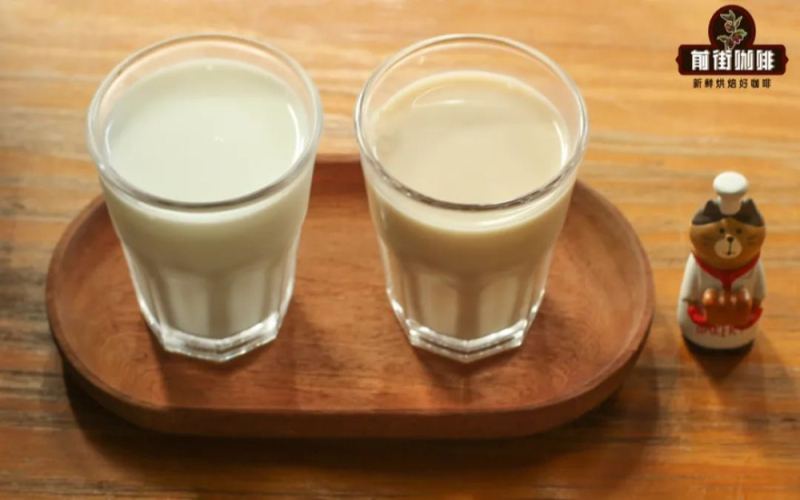
In recent years, many customers who come to the shop ask whether we have oat milk lattes, or ask for advice on how to steam fine milk foam with oat milk. Although the milk coffee produced by Front Street Coffee has always used whole milk, in order to respond to everyone's curiosity, today we'll talk about the unique characteristics of oat milk lattes, as well as the techniques to note when steaming milk foam and doing latte art with oat milk. This article will start with the composition of oat milk, compare it with fresh milk in terms of flavor and texture, and explain in detail the key points for operating oat milk during steaming and latte art, to help coffee lovers better master the methods for making plant-based milk coffee. [more…]
Home Coffee Bean Selection Guide: For Pour-Over, Should You Choose Single-Origin or Blend? A Full Analysis of Freshness and Regional Flavors
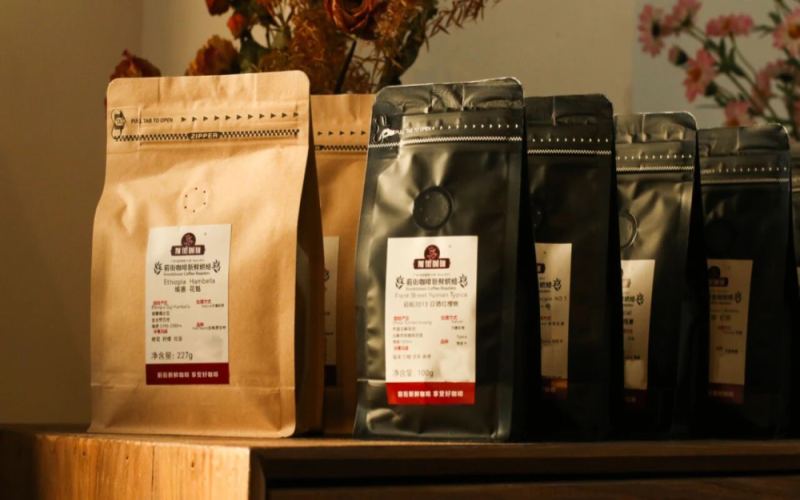
Faced with a bewildering array of coffee bean options, many enthusiasts often don't know where to start. This article approaches bean selection from three dimensions—extraction method, roast date, and regional flavor profiles—to help you clarify your thinking: pressurized extraction suits espresso blends, while pour-over extraction is better suited to single-origin beans; when purchasing, be sure to check the roast date and one-way degassing valve packaging; beans from different regions have distinct flavor emphases—African beans offer floral aromas and fruity acidity, Central and South American beans have nutty notes, and Asian beans are rich and full-bodied with low acidity. It also answers the question of whether to buy whole beans or ground coffee, and includes specific product recommendations from Front Street Coffee, so you can easily find the one that suits you. [more…]
The Complete Guide to Drip Bag Coffee Brewing: Can You Steep It, How to Recreate Pour-Over Flavor, and Practical Tips
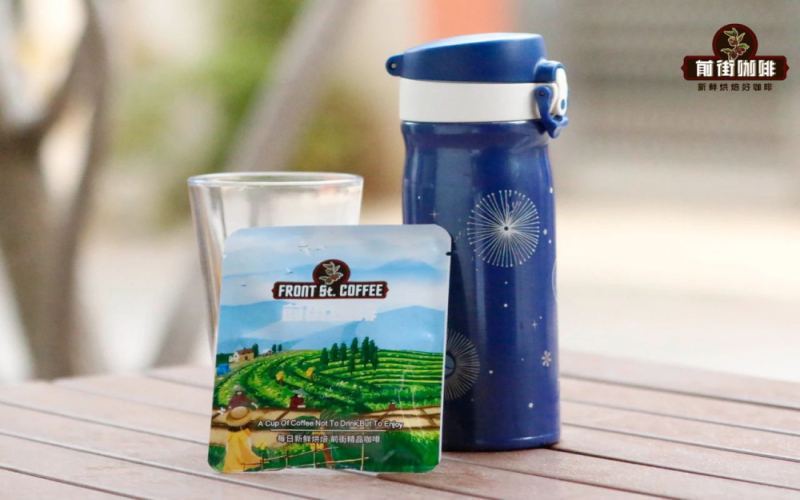
Drip bag coffee has become a popular choice in offices, homes, and during travel thanks to its convenience, but many people wonder: can it be brewed like pour-over? Can simple steps recreate the flavor layers of pour-over coffee? This article focuses on the brewing methods for drip bag coffee, breaking down everything from coffee powder amount, water temperature, and water-to-coffee ratio to specific steps, and recommends several drip bag products from Front Street Coffee's bean lineup for different taste preferences. It also reminds everyone that because drip bag coffee is pre-ground, its aroma fades relatively quickly, so it is best to drink it as soon as possible. If you are after a fuller flavor, Front Street Coffee recommends buying whole beans and grinding them fresh right before brewing. [more…]